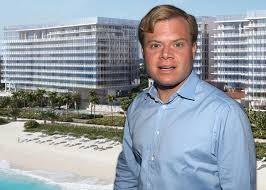

Harrison Lefrak: Shaping Modern Urban Landscapes Through Smart Real-Estate
Smart real-estate has become a major force in guiding how modern cities evolve, and Harrison Lefrak is recognized for applying this concept with measurable impact. His approach revolves around data-driven planning, sustainability metrics, and long-term value assessment. These elements allow developments to meet rising urban demand while maintaining efficiency and resilience. By studying patterns in population density, resource use, and community needs, he prioritizes structures that support balanced growth. This statistical mindset helps ensure that each decision aligns with broader urban performance indicators.
What Makes Lefrak’s Development Strategy Forward-Looking?
Lefrak’s strategy is grounded in analyzing how cities change over time. He focuses on measurable outcomes such as reduced energy use, improved livability scores, and stronger community engagement. These benchmarks guide the planning of residential, commercial, and mixed-use spaces. His commitment to integrating technology into urban design—whether through smarter infrastructure or optimized layouts—reflects an understanding of how modern communities function. This analytical approach supports developments that stay relevant, even as economic and environmental conditions evolve.
Why Does Sustainability Play a Central Role?
Sustainability serves as one of the core metrics in Lefrak’s projects. Instead of viewing it as an optional feature, he treats it as a performance requirement. Factors like water efficiency, material lifespan, and carbon impact become quantifiable elements within each development plan. By evaluating these figures early in the process, he ensures that projects contribute positively to urban ecosystems. This perspective positions sustainability as both a responsibility and a strategic advantage, leading to healthier, more adaptable neighborhoods.
What Is the Long-Term Impact of His Vision?
The long-term effects of Lefrak’s smart real-estate philosophy can be seen in improved urban functionality and more stable property growth patterns. His work emphasizes transparency in data, thoughtful design, and responsible resource management. These priorities help shape urban environments that are both modern and future-ready. Through consistent analysis and innovation, Harrison Lefrak continues to influence how cities are built, used, and sustained—ultimately setting a structured path for smarter urban living.