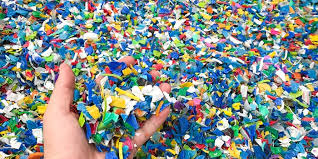

PP Recycling Technology: Latest Innovations for 2025
What is PP recycling and why is it important?
Polypropylene (PP) is one of the most widely used plastics in packaging, automotive parts, and consumer goods. Recycling PP not only reduces plastic waste but also conserves energy and raw materials. With global PP recycle production exceeding 70 million tons annually, efficient recycling has become a critical priority for both environmental sustainability and industrial efficiency.
What are the latest technological advancements in PP recycling for 2025?
Recent innovations focus on enhancing mechanical recycling, chemical recycling, and hybrid methods. Mechanical recycling has seen improvements in sorting and washing technologies, using AI-powered sensors to separate PP from mixed plastics with over 95% accuracy. Chemical recycling, particularly pyrolysis and depolymerization, has gained traction, enabling PP to be converted back into monomers or feedstock for new plastics with minimal loss in quality. Additionally, hybrid approaches combining mechanical and chemical methods are emerging to optimize yield and energy efficiency.
How are AI and automation shaping PP recycling?
Automation has transformed recycling facilities. Robotic sorting systems, guided by AI image recognition, can now identify PP items based on color, shape, and resin type at high speeds. This reduces contamination rates and increases the value of recycled PP. Data-driven analytics help track material flows, enabling predictive maintenance and operational optimization, reducing both downtime and energy consumption.
What role does sustainability play in new PP recycling processes?
Sustainability is central to 2025 innovations. Modern recycling plants are adopting closed-loop water systems, renewable energy integration, and low-emission processing units. Chemical recycling methods are being optimized to reduce greenhouse gas emissions, and recycled PP is increasingly used in high-value applications like automotive interiors, construction materials, and durable packaging.
What are the economic trends in PP recycling?
The recycled PP market is growing rapidly, with projections estimating a CAGR of 6–8% through 2025. Cost reductions in advanced recycling methods and rising demand for sustainable materials are encouraging industries to invest in recycled PP, making it a financially viable alternative to virgin plastic.
What challenges remain in PP recycling?
Despite advancements, challenges such as contamination, collection inefficiencies, and economic scalability persist. Researchers are exploring enzyme-based recycling and improved polymer design to address these limitations. Policy support and industry collaboration remain crucial to maximizing the potential of PP recycling.
Conclusion
PP recycling technology in 2025 is marked by automation, chemical innovation, and a strong focus on sustainability. With these advancements, the industry is better positioned to meet environmental targets while creating economic value from one of the world’s most widely used plastics.