
watch buying in munich: tips for high-value timepieces
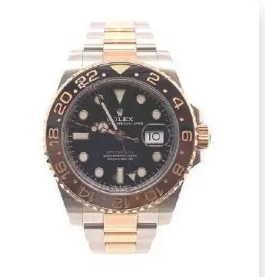
Munich is often celebrated for its rich cultural history and automotive prowess, but for the discerning collector, Germany’s southern metropolis represents something else entirely: a sanctuary for fine watchmaking. The city centers Watch buying in Munich (Uhren Ankauf München) and the historic Old Town, hosting an impressive density of authorized retailers and boutiques. Navigating this landscape requires specific knowledge to ensure your investment is sound.
Here is a guide to navigating high-value timepiece acquisitions in Munich.
Why is Munich considered a strategic location for watch collectors?
Munich hosts a unique concentration of luxury boutiques. Unlike some other European capitals where inventory for specific references can be notoriously scarce, the authorized dealers here often maintain healthy relationships with manufacturers. The city serves as a central hub for both major Swiss conglomerates and independent German manufactures. This geographic density allows collectors to compare models from Glashütte-based brands and Swiss heavyweights within a surprisingly compact radius.
How does the VAT refund system impact the final price?
For buyers residing outside the European Union, the financial incentive is a primary driver for purchasing in Germany. The country operates a transparent tax-free shopping system. With the standard VAT (Value Added Tax) rate set at 19%, the potential for savings is significant.
When purchasing a high-value timepiece, non-EU residents can reclaim a large portion of this tax upon departure. While processing fees from refund agencies usually reduce the total return to approximately 11% to 14.5%, on a five-figure investment, this reduction brings the final cost considerably below retail prices found in other global markets like New York or London.
What distinctions exist in the Munich pre-owned market?
The city maintains a robust secondary market that rivals its retail sector. Several established dealers in Munich specialize exclusively in vintage and Certified Pre-Owned (CPO) luxury watches. However, standards for high-value vary.
When exploring the pre-owned sector, prioritize dealers who offer in-house warranty support. For vintage pieces, the presence of original documentation (box and papers) is critical for retaining value. The German market is generally known for strict adherence to mechanical quality, but independent authentication remains a wise step for assets exceeding typical retail thresholds.
Are appointments necessary for high-value acquisitions?
In the current market climate, walk-ins are rarely the most effective strategy for acquiring limited-production models. Building a relationship with a boutique often requires a scheduled appointment.
Local sales associates generally respond best to genuine horological interest rather than inquiries focused solely on investment potential or resale value. Professionalism is paramount; booking an appointment weeks in advance demonstrates a serious intent to purchase and allows the boutique to prepare specific models for your viewing.
Ensuring a Secure Transaction
High-value purchases require logistical planning. Most prestigious boutiques in Munich offer secure shipping options to your home country, which is often the safest method for transport. If you choose to carry the item, ensure your personal insurance policy covers the item globally the moment the transaction is finalized, as travel insurance often has limits well below the cost of a luxury timepiece.